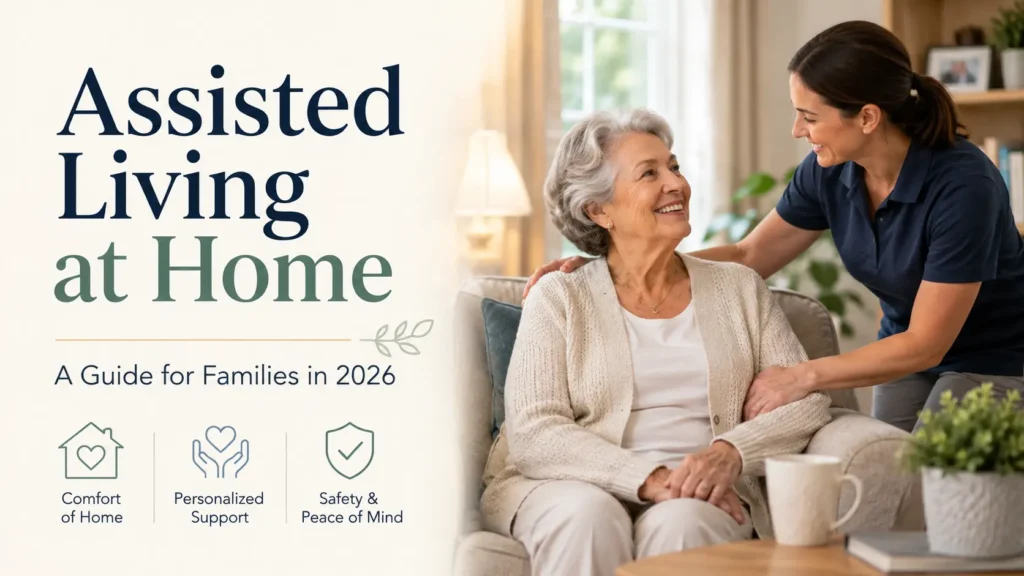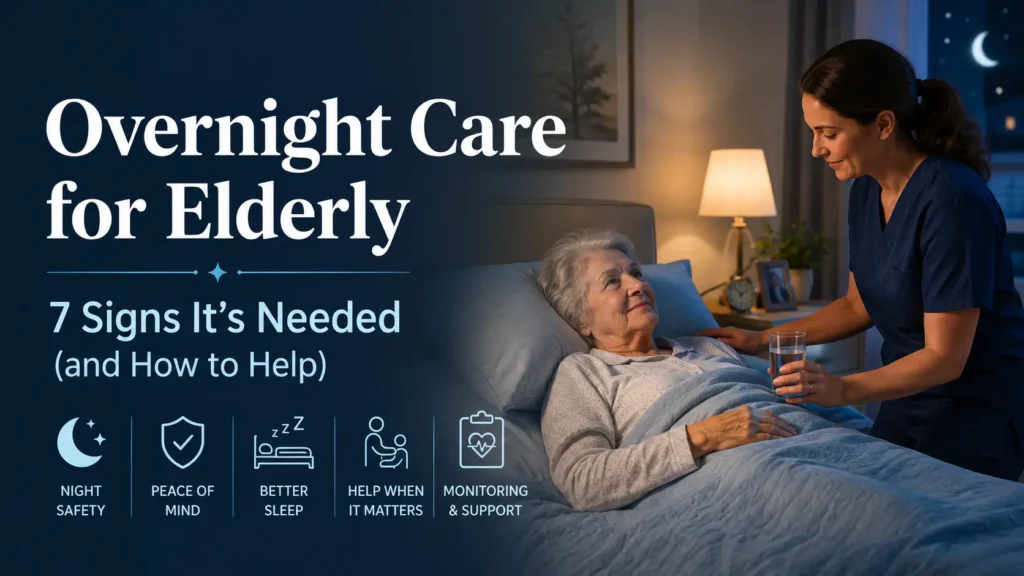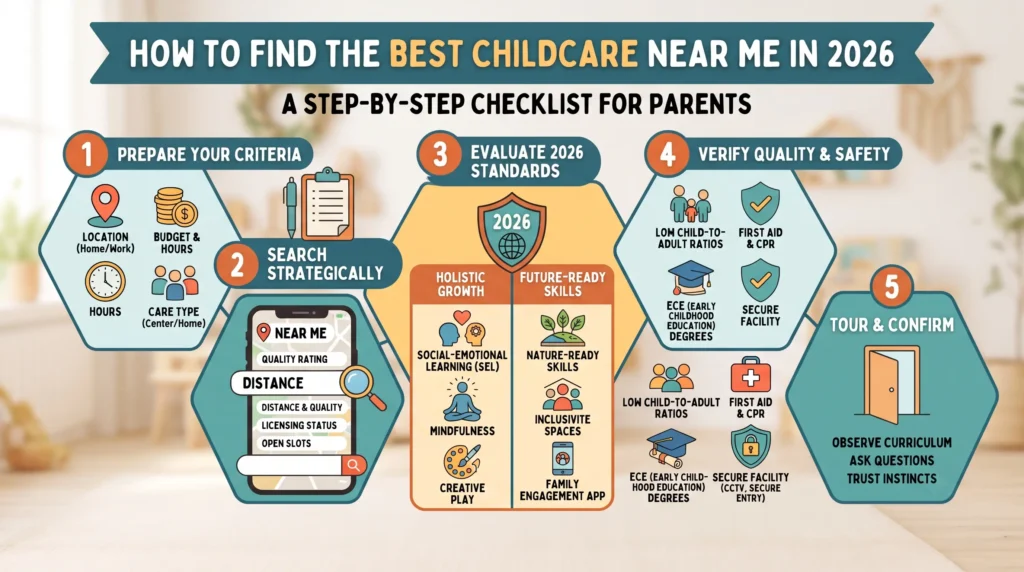

A family caring for an elderly parent, partner, or loved one is one of the most intimate decisions a family can make. When a person starts to require help on a 24 hour basis, families often worry about safety, comfort, loneliness, and the right type of support. Some people believe that a care facility is the only choice, but many families now choose a type of care which allows their loved one to remain at home.
24 hour live in care services mean someone can remain in their own home rather than move into somewhere unknown. They still get help with the daily tasks such as washing, eating, taking medication, moving safely, and keeping the home tidy. And just as importantly, someone to provide company and reassurance throughout the day.
Practical help is part of it, but for many families in the UK, 24 hour live-in care is also about dignity, comfort, routine, safety, and peace of mind. It helps older people stay close to their memories, family, pets, neighbours, and the life they already know.
What is 24 hour live-in care?
24 hour live in care is when a trained, professional carer lives in the person’s home and helps with their everyday needs. This live-in carer becomes part of the household, providing practical help and emotional support around the clock, including:
- Personal care, including bathing, dressing, and toileting
- Meal preparation, nutrition support, and help with feeding
- Medication reminders and basic health monitoring
- Mobility support around the home
- Companionship and emotional support
- Light housekeeping and home safety checks
This is unlike standard domiciliary care or home care visits. In regular home care, a support worker may come once or a few times a day. With 24 hour care at home, support is more consistent because the carer is present for most of the day and can respond when help is needed.
It’s important to recognise that live-in care doesn’t mean one carer is awake all day and all night. If a person needs active care overnight, the care agency can provide waking night care, sleeping night care or a second rotating carer, depending on the individual’s health condition and schedule.
Who is eligible for 24 hour home care?
24 hour home care is typically appropriate for:
- Older adults and elderly people
- People living with Alzheimer’s or dementia
- People with mobility or physical disability issues
- People recovering from surgery or hospital discharge
- Individuals at risk of falling
- People with long-term or chronic health conditions
- People who have had a stroke or who have Parkinson’s disease
- Frail older adults or people needing palliative support at home
The purpose of this type of supportive care is simple. Keep the person secure, comfortable and supported, without removing them from the environment they are most used to.
Top 7 Benefits of 24 Hour Live In Care Services in the UK
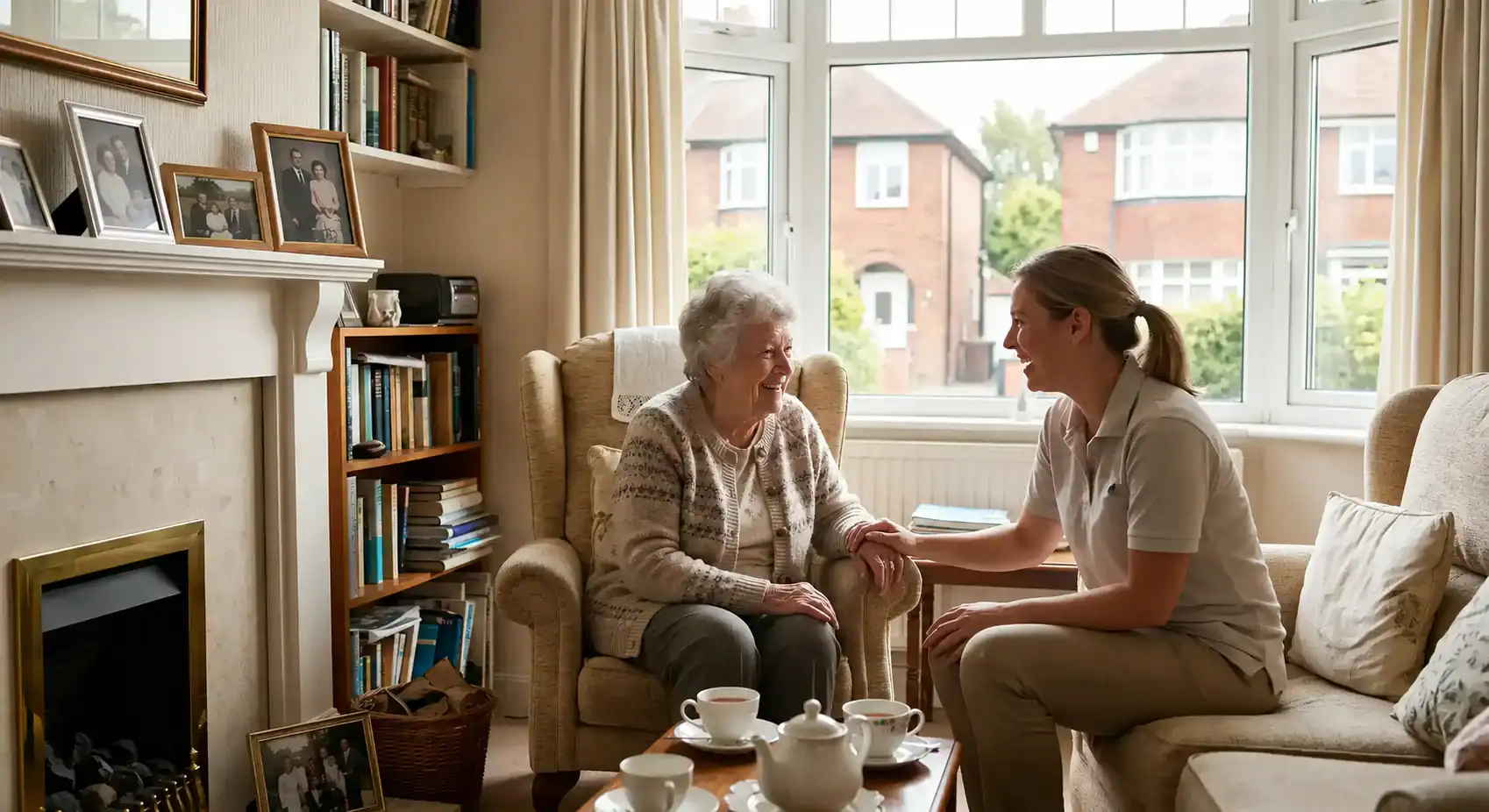
1. Comfort of staying in familiar surroundings
Home is more than just a place to live for many older people. It’s where they feel safe, comfortable and emotionally connected to their lives and community.
For someone who has lived in the same residence for a long time, moving into a residential care home can be a stressful experience. For those living with dementia or Alzheimer’s, this can be considerably tougher, as unfamiliar places can lead to confusion and worry.
With 24 hour live-in care, the individual can sleep in their own bed, sit in their favourite chair, continue their normal daily routine and stay close to their personal memories, pets and neighbours. They can carry on seeing family and friends in a calm, familiar environment and keep their daily habits and routines.
This familiarity is good for mental health and emotional well-being and helps the individual feel more in control during a time of major life transition.
2. One-to-one personalised care
In residential care homes, care staff often support several residents at the same time. With live in care, the dedicated carer works with just one person, so the support plan may be tailored completely to their requirements and preferences.
A personalised care plan may include:
- Bathing, dressing, toileting, and grooming
- Meal planning, nutrition support, and feeding help
- Medication reminders and basic health monitoring
- Mobility support
- Light housekeeping and laundry
- Help with appointments, shopping, hobbies, and outings
This one-on-one focus also means that the carer is more likely to spot tiny changes early, such as eating less or becoming more confused, and can pass this on to the family or care manager for further assessment.
3. Support that adapts to changing needs
Care needs can change over time. For example, a person may require significant support after surgery initially, before becoming independent gradually. For progressive illnesses like dementia or Parkinson’s, this can also indicate a gradual increase in the need for care.
The care plan can be reviewed and changed so that 24 hour carers can give more assistance with washing, dressing, meals or nighttime support as necessary, without upsetting the person’s daily routine. For those who only need this kind of flexible, time-limited support, short-term care or respite care can also be arranged alongside a longer-term plan.
And flexibility matters too, day to day. Some days, the person may feel better and want to do more independently. Some days, they may feel tired, low, or less confident. A good carer is one who just adapts to how the individual is feeling.
4. Help with everyday tasks and personal care
Age, illness, or reduced mobility can make everyday living activities more difficult. One of the key benefits of 24 hour live in care is the practical, hands-on day-to-day support, including:
- Bathing, washing, dressing and personal grooming.
- Toileting & Continence Support
- Getting safely in and out of bed
- Assistance with meal preparation and feeding
- Medication reminders and alerts
- Laundry, light cleaning, and changing bedding
- Mobility support and help with appointments.
These are private and sensitive activities carried out with dignity and respect, contributing to the smooth functioning of the household routine and reducing carer stress for the whole family.
5. Improved safety and fewer accidents
Safety is one of the biggest concerns for families when a loved one lives alone – falls, missed medication, kitchen accidents, and confusion during the night are all possibilities.
A carer supporting the person with 24 hour home care can enable safer independent living by helping the person to move around the home, use the stairs, get in and out of bed, and use walking aids correctly. They can also clear paths and decrease trip hazards around the property.
This kind of risk management is even more important for people living with dementia, as they may forget to switch appliances off, leave doors open or wander outside. A calm, competent carer provides oversight and comfort without taking away the person’s sense of independence.
6. Rapid response in emergencies
Emergencies can happen at any time. A person may fall, feel sudden pain, become confused, struggle to breathe, or feel unwell during the day or night. These moments can be frightening when they are alone.
If there is a live-in carer, they may instantly check on the person, reassure them, contact relatives and call emergency services if necessary. A carer is no replacement for a doctor or paramedic, but in those vital moments, their presence is a major reassurance. For situations that call for immediate support, our urgent and emergency care service can step in quickly.
This kind of fast reaction is particularly helpful following a hospital discharge when a person is not ready to be on their own but doesn’t need to be in the hospital or go to a nursing home. Live-in care can be a safe bridge between hospital discharge and full recovery.
7. Companionship for the person and peace of mind for the family
Good care is not only about physical support. Many older people are lonely and socially isolated, especially if they live alone, have lost a partner or find it harder to be socially active. This can impact mental health, emotions, confidence, sleep and overall quality of life.
A live-in carer offers regular companionship and emotional support by talking with them, sharing meals, encouraging hobbies, and helping the individual stay connected with family and friends. A familiar and calm carer can assist in lessening anxiety for people with dementia, and where low mood or anxiety becomes a bigger concern, our mental health care support is also available.
Above all, 24-hour carers provide families with real peace of mind and reassurance. Instead of worrying all the time about meals, medication or overnight events, families know their loved one gets consistent, dependable support, and they can enjoy greater quality time together instead of feeling like full-time carers themselves.
Is 24 Hour Live In Care Better Than a Care Home?
There’s no one-size-fits-all response. Some people, especially those with complex medical needs, may need the structure and nursing support of a care home. But many older people prefer live-in care because it allows them to stay at home and age in place.
24-hour live-in care might be the better option if the person prefers to remain in familiar settings, needs one-to-one support, feels anxious in new places, has dementia or needs aid following a hospital stay.
A care home may be more appropriate for someone who requires a set daily schedule, 24-hour nursing care or enjoys planned activities with a group of people in a supervised community environment. Ultimately, the best choice is determined by the individual’s health, safety needs, affordability and personal preference.
How to choose the right 24 hour care provider in the UK
The right home care provider can make a big difference to safety, comfort, and family confidence. Look for someone who listens well, explains costs clearly, and makes a comprehensive, tailored care plan around the needs of the person.
Before choosing a provider, ask about:
- Carer training and experience with dementia, Parkinson’s, or mobility support
- DBS checks and safeguarding policies
- CQC registration and inspection status
- Emergency support and on-call availability
- Overnight care options and staffing arrangements
- Backup carers if the main carer is unavailable
- Family updates, care reviews, and communication methods
It’s also helpful if the person can meet their carer before the care begins. When the carer and client are a good match, the entire encounter seems more natural and trustworthy.
The proper provider does more than just get things done. They maintain dignity and promote independence, and help the individual to feel safe and appreciated in their own home.
Frequently Asked Questions (FAQs)
1. What is the cost of a 24 hour live in carer?
The average cost of live-in care in the UK is often around £900 to £1,800 per week. True 24 hour waking care can cost more, often around £1,800 to £2,500 per week, depending on location, care needs, and provider. Always request a personalised quote because care costs vary.
2. What is the difference between live-in care and 24-hour care?
Live-in care usually means a carer lives in the home and supports the person during the day, with agreed rest and sleep time. 24-hour care means support is available through the day and night, often through waking night care or rotating carers.
3. Can a person who is bedridden live at home?
Yes, many bed-bound people can receive care at home with the right care plan, equipment, and trained support. Complex medical needs may require nurse-led care or input from healthcare professionals.
4. How do you receive free care for the elderly?
Some elderly people may qualify for NHS Continuing Healthcare if their main needs are health-related. Others may receive local council support after a care needs assessment and financial assessment. The attendance allowance may also help with extra care costs.
5. What are the downsides of live-in care?
Live-in care can be expensive, especially for complex needs. Some families may also need time to adjust to having a carer in the home. If active support is needed throughout the night, a second carer or waking night care may be required.
Final Thoughts
24-hour live-in care can be a great choice for older adults and families all around the UK. It offers the opportunity to stay in their own home and still receive personal, flexible and compassionate help.
The advantages discussed here are staying in a familiar setting, individualised attention, adaptable care that adapts to changing requirements, daily personal support, increased safety, prompt emergency response, companionship and genuine peace of mind for families.
For many, 24-hour home care offers the appropriate combination of independence and help. It gives loved ones a sense of safety and dignity without moving them away from the home they know and love.
If your parent, partner or loved one is struggling on their own, needs frequent support or simply doesn’t feel secure in their own home anymore, then live-in care could be the next step. You can contact us to talk with a trusted home care provider and help you develop a care plan that really works for your family.