The signs are not always loud when someone you love starts struggling at home. Sometimes it begins with missed meals, unpaid bills, unwashed clothes, a low mood, or ongoing tiredness. Families often delay seeking help because they want their loved one to remain independent. However, the right care at home services can support independence, comfort, safety, and dignity.
Home care in the UK can assist people with washing, dressing, using the toilet, meals, medication prompts, shopping, companionship, mobility, and daily routines. The NHS also says local councils can arrange for a care needs assessment to see what help a person might need in their own home. (nhs.uk) If you are a family looking for a provider, the Care Quality Commission inspects and rates home care agencies in England to help you compare quality and safety. (Care Quality Commission)
Here are the 9 urgent signs it may be time to arrange for care at home services for an elderly parent, disabled adult, recovering patient, or loved one who is no longer able to cope on their own.
1. They Are Falling or Afraid to Move
Falls are one of the most obvious signs that you need support. It can be in the bathroom, bedroom, kitchen, hall, or garden. There may not be any serious injury, but the fear of falling can make a person move less. This can lead to weaker muscles, less confidence, and more risk later on.
You might see:
- Bruises they can’t explain
- Holding onto furniture while walking
- Avoiding the stairs
- They wear the same clothes because changing feels difficult
- Saying they feel dizzy or weak
- Not using walking aids
Care at home services can support safe movement, bathroom routines, dressing, meal preparation, and gentle daily support. A trained carer can also spot trip hazards such as loose rugs, poor lighting, clutter, wet floors, or unsafe slippers.
This is important as falls can quickly result in fractures, hospital stays, fear of walking, and loss of confidence. Early home care support can reduce these risks and make daily movement safer.
Seek urgent medical help if a fall causes a serious injury or if the person may have hurt their head, neck, back, or hip.
2. Their Personal Hygiene Is Declining
One of the first private signs families miss is a change in hygiene. Your loved one may stop bathing because they’re afraid of falling. They may not change their clothes, as it’s difficult to do up buttons or zips or to bend down. They may not remember when they last washed, brushed their teeth, or changed their bedding.
Signs may include:
- Body odour
- Unwashed or greasy hair
- Dirty nails
- Wearing the same clothes for several days
- Unwashed bedding
- Avoiding visitors
- No shaving or grooming as usual
This can be a tough conversation for families, but it needs to be had respectfully. Many people feel ashamed when they can no longer care for themselves.
A professional carer can help with bathing, dressing, continence care, grooming, and morning and evening routines. Good care at home services protect a person’s dignity by helping calmly and respectfully.
3. Medication Is Missed or Taken Incorrectly
Medication mistakes can become dangerous fast. Some people forget to take their medication. Some take too much because they forget that they took it already. Others become confused, leave tablets unopened, or take the wrong dose.
Warning signs may include:
- Unopened or full blister packs
- Tablets lying about the house
- Failed pharmacy collections
- Confused about dosage
- Recurrent health crises
- Expired medicine in the cupboards
A home carer can give reminders about medications, check on routines, and pass on worries to family or health professionals. Home carers do not replace doctors or pharmacists, but they can help you make fewer mistakes day to day.
Regular home care visits may help when a loved one manages several medicines or health conditions.
4. They Do Not Eat or Drink Properly
Poor nutrition can affect a person’s mood, strength, concentration, sleep, and recovery. Many older adults may not openly say that they are struggling to eat properly. Instead, you may see empty cupboards, food that is out of date, burnt pans, uneaten meals, or sudden weight loss.
Look for:
- Missing meals
- Not drinking enough water
- Eating nothing but biscuits, toast, or tea
- Unexpected weight loss
- Spoiled or expired food
- Difficulty using the cooker
- Little interest in shopping for food
This can be due to poor mobility, low mood, memory loss, dental problems, fatigue, or fear of cooking. Some people lose confidence after burning food or leaving the hob on.
Care at home services may include meal preparation, grocery support, hydration reminders, and safe kitchen routines. Age UK also says local support services can help older people with things such as shopping, home help, and staying independent at home. (Age UK)
5. Memory Problems Are Affecting Everyday Safety
We all forget things at times. But if memory problems affect safety, money, food, medicine, appointments, or personal care, it is time to take action.
You may notice:
- Doors open
- Appliances left on
- Missing appointments
- Repetitive questions
- Unpaid bills
- Getting lost in places one knows well
- Skipping meals or forgetting medication
- Confusion over dates and time
Memory changes can have several causes, including stress, infection, poor sleep, medication, or dementia. The bottom line is that if memory problems are creating an unsafe situation at home, your loved one needs help.
A carer can offer routine, reminders, reassurance, meal support, and companionship. Some families are content with short visits every day. Others may find that live-in care in London or live-in care elsewhere in the UK is a better fit, especially if they need 24-hour support. Sudden confusion requires urgent medical assessment and should not be treated as a normal memory problem.
6. Everyday Tasks Leave Them Exhausted
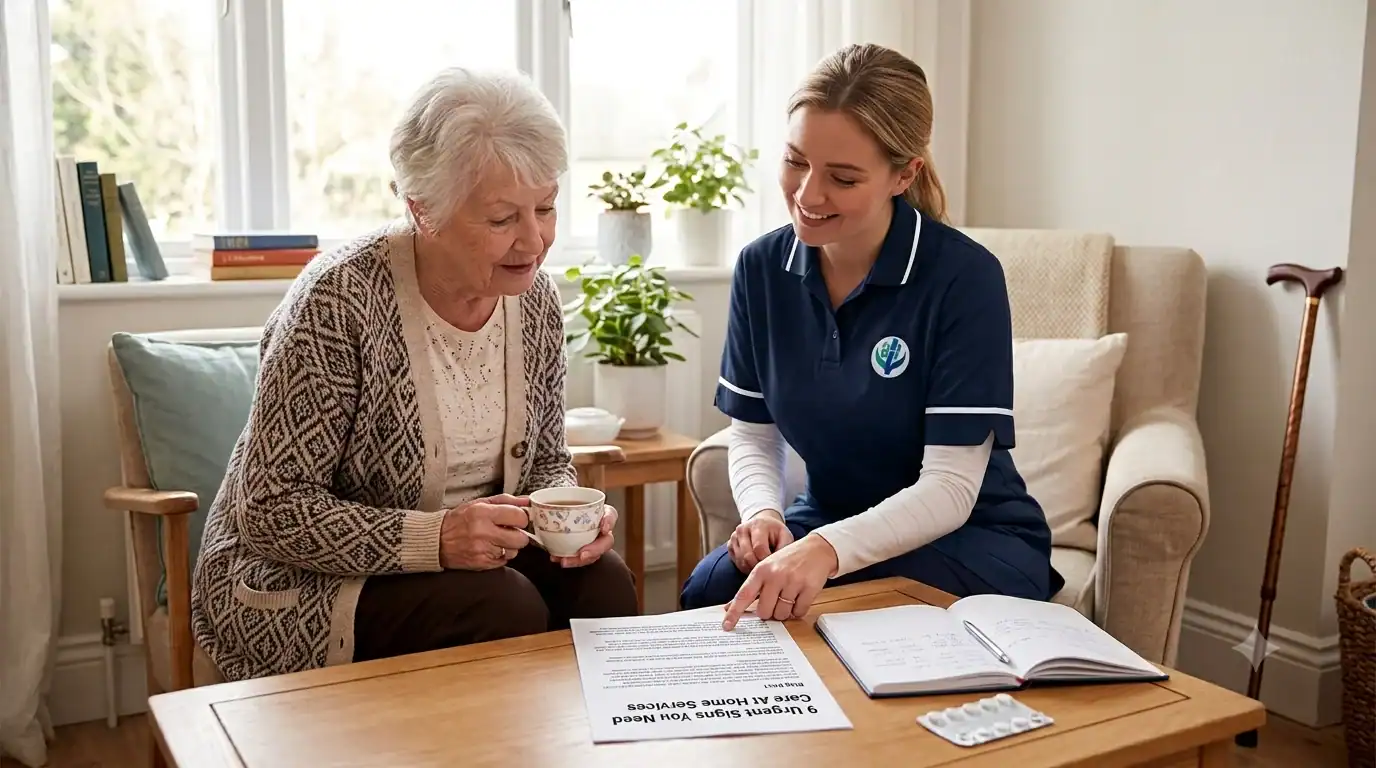
Ongoing fatigue in an older adult should not always be dismissed as a normal part of ageing. It could mean your loved one is tired after doing basic things like washing, getting dressed, cooking, or walking to the bathroom. They may sleep more, cancel plans, not go out, or sit in one chair all day.
Common signs may include:
- Constantly having low energy
- Shortness of breath after minimal activity
- Sleeping in the daytime
- Leaving the curtains closed all day
- Not having a bath because it’s tiring
- Struggling to complete simple tasks
- Losing interest in activities they once enjoyed
Fatigue can be caused by illness, poor nutrition, pain, low mood, medication, poor sleep, or reduced mobility. It should not be missed.
Care at home services can reduce the physical pressure of daily tasks. A carer can cook, assist with washing, clear necessary areas, assist with laundry, and encourage a sustainable routine. This allows your loved one to save their energy for activities that matter to them.
7. They Are Becoming Lonely or Socially Isolated
Not every need is physical. Loneliness can be as serious. Many older adults live alone, often after the loss of a partner, friends, mobility, or regular social interaction. They may say they are fine, but their behaviour changes.
You may observe:
- Fewer phone calls
- Less interest in hobbies
- Avoiding going outside
- Showing signs of low mood
- Irritability
- Bad sleep
- Less talking
- Saying they feel like a burden
This is where the true power of companion care services can be felt. A companion carer can come and talk, go on walks, share meals, do hobbies, go shopping, attend appointments, or be there for emotional support.
Companionship is not simply about having someone present. It can improve routine, confidence, appetite, mood, and safety. For many families, companion care is a gentle first step towards receiving more support.
8. The Home Is Becoming Unsafe or Unmanageable
Your home can tell you a lot about how someone is doing. If the condition of the home changes noticeably, it could be a sign that your everyday chores are getting too hard.
Look for:
- Mountains of laundry
- Dirty dishes
- Letters unopened
- Cluttered or dirty floors
- Overflowing bins
- Spoilt food
- The home is not being heated properly
- An unclean bathroom or toilet
- Strong or unusual odours
- Pets are not getting proper care
This does not mean the person is lazy. They may be tired, depressed, in pain, confused, or physically unable to cope.
A home carer can help with light household tasks, meal preparation, laundry, shopping, and keeping key areas secure. Some providers also collaborate with cleaners, family members, occupational therapists, or community services.
If you are looking for home care services in London, it is worth going for a provider that knows local housing, flats, stairs, parking, travel time, and the pace of city life.
9. Family Carers Are Becoming Exhausted
A lot of families try to do everything themselves. It may begin with one weekly visit. Then there are daily calls, shopping, medication checks, appointments, cleaning, bathing support, and nighttime worry.
Signs of family carer burnout may include:
- Chronic stress
- Sleep difficulties
- Feeling guilty
- Missing work or appointments
- Arguments between family members
- Having no personal time
- Feeling emotionally exhausted
- Feeling anxious whenever the phone rings
This may be a clear sign that professional support is needed. Support isn’t only for the person being cared for. The family is also protected.
A care plan can be small to start. It could be a morning care visit, an evening call, help with meals, medication reminders, or companionship. The plan can expand if needs increase. If you require more complex support, you might want to consider live-in care in London or respite care elsewhere in the UK.
Why Are Care at Home Services Important?
Care at home services are not there to take over someone’s life. The goal is to help them stay safe in the place they know best.
Good home care can help:
- Self-care
- Medication reminders
- Meal planning
- Mobility assistance
- Dementia help
- Companionship
- Shopping
- Household chores (light)
- Support after leaving the hospital
- Respite for family carers
- Live-in or overnight care
Many people prefer to remain at home because it’s familiar. They know their rooms, neighbours, memories, pets, garden, and local area. Home care offers personal and flexible support.
How Should You Choose a Home Care Provider?
Choosing care is a big step. Take your time. The right provider should listen, explain, and build care around the person, not the list of tasks.
Check before you select:
- Is the provider registered with the appropriate regulator?
- Does the care plan include personal needs, routines, culture, food, faith, and preferences?
- How does the provider train, vet, and supervise its carers?
- Can the same carers come regularly?
- Is there a clear complaints procedure?
- Can the plan be modified as needs change?
- How will family members receive updates?
- Are prices transparent?
- Does the provider know your local area?
- What happens when the regular carer is unavailable?
- Is emergency or out-of-hours support available?
- Are all charges clearly explained?
- How often is the care plan reviewed?
For families in England, CQC reports and ratings can help understand the quality of a home care agency. (Care Quality Commission) This is particularly useful when you are comparing home care services in London or looking for home care services near me online.
When Should You Arrange Home Care?
You don’t need to wait for a crisis. Indeed, early support is often easier to accept. Start caring when the small problems become regular ones.
It may be time to arrange support if your loved one:
- Has fallen recently
- Regularly skips meals
- Is struggling with personal hygiene or dressing
- Feels Lonely or isolated
- Forgetting to take medication
- Is having difficulty after hospital discharge
- Always feels tired
- Cannot manage the home safely
- Needs more help than family can provide
Two or three short visits a week can make life safer and calmer.
Frequently Asked Questions
1. What are care at home services?
Care at home services provide professional support to people in their own homes, including help with washing, dressing, meals, medication reminders, companionship, and household tasks.
2. How do I know if my loved one needs care at home?
If your loved one is falling, missing meals, forgetting medication, struggling with personal hygiene, or feeling lonely and isolated, these are signs that professional care may be needed.
3. Will home care take away my loved one’s independence?
Not at all. The goal of home care is to support independence, not remove it. A carer helps with daily tasks so your loved one can save their energy for the things that matter most to them.
4. What is included in care at home services?
Services can include bathing, dressing, meals, medication reminders, shopping, companionship, light housework, mobility support, and recovery care after a hospital stay.
Final Thoughts
It’s not a failure to ask for care at home services. This is a practical step to help people stay safe, comfortable, and independent for longer. Signs of fatigue in seniors. If your loved one is falling, forgetting medication, feeling lonely, or missing meals, don’t overlook it.
Choose a calm time to talk. Ask respectful questions, listen carefully, and offer support without applying pressure.
The right support can provide peace of mind for the whole family, whether you need occasional visits, companion care services, home care services in London, or full live-in care in London. Most importantly, it can help your loved one feel seen, respected, and safe in their home.