
When a family starts looking for care at home, one of the first questions is simple: what does a live-in carer do every day?
The answer is not just “helping around the house”. A live-in carer supports a person’s health, safety, comfort, routine, dignity, and emotional wellbeing. For many older people in the UK, staying at home is not only a preference. It is part of their identity. Home means familiar rooms, favourite chairs, family photos, neighbours, pets, gardens, and daily habits.
That is why understanding the things a live-in carer does is so important. Live-in care is a helpful choice for many families because it allows a person to remain in their own home while receiving dedicated support from someone they can trust.
A live-in carer may help with personal care, meals, medication reminders, mobility, housework, companionship, overnight care, and even complex care at home when suitable. Every care plan is different, but the main purpose stays the same: to help someone live safely and comfortably at home.
1. Helps With the Morning Routine
Often the day starts with a live-in carer helping the individual to wake up safely and gently. Mornings can be difficult for elderly individuals, especially if they have pain, stiffness, weakness, dementia, or limited mobility. The carer is supportive but not pressuring. This allows the person to feel respected and in control.
Morning support may include the following:
- Helping the person get out of bed
- Supporting washing or showering
- Helping with brushing teeth or denture care
- Supporting shaving, skincare, and hair brushing
- Helping the person choose clothes
- Supporting toileting or continence care
- Making the bed
- Opening curtains and preparing the room
This part of care is very personal. A good live-in carer understands that privacy matters. They help gently and respectfully. They also encourage the person to do what they can for themselves.
This is important because independence is not all-or-nothing. Even small choices matter. Choosing clothes, washing hands, brushing hair, or deciding what to eat for breakfast can help someone feel more confident.
A live-in carer does not take over the person’s life. They support daily life in a way that protects dignity.
2. Prepares Meals and Encourages Healthy Eating
Food and drink are a big part of daily care. Many older people forget to eat, lose interest in food, or struggle to cook safely. Some may have diabetes, swallowing problems, low appetite, or special diet needs. A live-in carer helps make sure the person eats and drinks properly throughout the day.
Meal support may include:
- Preparing breakfast, lunch, dinner, and snacks
- Making tea, coffee, water, or juice
- Encouraging regular fluids
- Planning simple and healthy meals
- Following dietary needs
- Cutting food into small pieces
- Supporting safe eating
- Checking food dates
- Keeping the kitchen clean
- Making shopping lists
This is not only about cooking. It is also about noticing changes. If the person is eating less, drinking less, coughing during meals, or avoiding food, the carer can report this to the family or care manager.
Mealtimes can also become more enjoyable with companionship. Many older people do not like eating alone. Having someone nearby can make meals feel warmer and more relaxed.
For people living with dementia, familiar meals and steady routines can be comforting. A live-in carer may prepare favourite foods, serve meals at regular times, and keep the dining area calm.
Good nutrition supports strength, energy, mood, and recovery. That is why meal support is one of the most important things a live-in carer does every day.
3. Supports Medication Reminders and Daily Health Checks
Many people receiving elder live in care take regular medication. Some take tablets in the morning. Others need medicine several times a day. Some may also use inhalers, creams, eye drops, hearing aids, glasses, or mobility equipment. A live-in carer can help the person follow their medication routine according to the care plan.
This may include:
- Giving medication reminders
- Checking the medication schedule
- Encouraging the person to take medicine on time
- Recording support if required
- Noticing missed doses
- Reporting side effects
- Helping with glasses or hearing aids
- Supporting appointment routines
- Watching for changes in health
A live-in carer is not a doctor or nurse, but they often notice small changes before anyone else. This is because they spend more time with the person.
They may notice if the person is:
- More confused than usual
- Eating less
- Sleeping more
- Walking unsteadily
- Feeling breathless
- Complaining of pain
- Looking tired or withdrawn
- Needing more help than before
These signs can be shared with family or professionals. Early reporting can prevent bigger problems. This is one reason 24-hour home care can feel reassuring for families. Someone is nearby, observing daily changes and supporting the person’s routine.
4. Helps With Mobility and Prevents Falls
Moving around the home can become difficult with age, illness, surgery, arthritis, stroke, Parkinson’s, dementia, or general weakness. A live-in carer helps the person move safely during the day.
Mobility support may include:
- Helping the person stand up
- Supporting walking around the home
- Helping with stairs if safe
- Supporting transfers from bed to chair
- Encouraging use of walking aids
- Helping the person sit down safely
- Keeping walkways clear
- Checking rugs, wires, and clutter
- Making sure shoes or slippers are safe
Falls are a major concern for many UK families. A fall can cause injury, fear, hospital admission, and loss of confidence. A live-in carer helps reduce risks by keeping the home safer and offering steady support. The aim is not to stop the person moving. The aim is to help them move safely.
Movement is important for health and confidence. A short walk to the kitchen, bathroom, garden, or front door can help the person feel more independent. The carer may encourage gentle movement but always respects pain, tiredness, and personal limits.
A smart live-in carer knows when to step in and when to stand aside. This balance is built to safeguard safety and independence.
5. Provides Companionship and Emotional Support
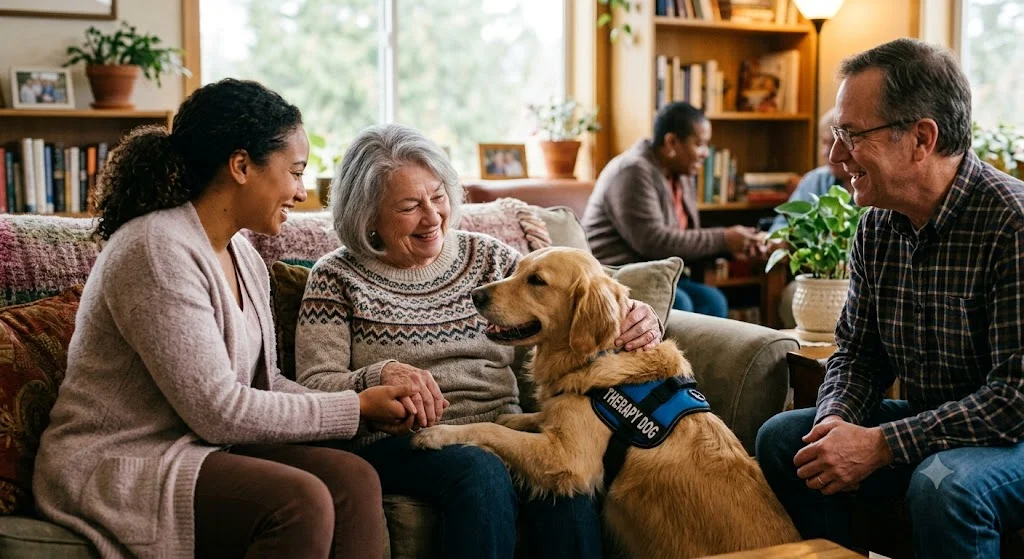
A live-in carer does more than practical tasks. They also provide companionship. This can be one of the most valuable parts of care. Many older people feel lonely, especially if they live alone, have lost a partner, or cannot go out as much as they used to. Family may visit, but they may not be able to stay all day. A live-in carer brings regular human contact into the home.
Companionship may include:
- Discussing over breakfast
- Remembering the memories
- Watching TV with each other
- Reading out loud
- Playing cards or easy games
- Sitting in the garden.
- Supporting hobbies
- Helping on phone or video calls
- Encouraging family visits
- Going for short walks
This emotional support matters. A person may be physically safe but still feel isolated. A kind and familiar carer can make the home feel warmer and less lonely.
For people with dementia, companionship can also reduce anxiety. A calm voice, familiar routine, favourite music, old photos, or gentle reassurance can help the person feel secure.
Over time, the carer learns small details. They learn how the person likes their tea, which chair they prefer, what time they enjoy lunch, and what helps them relax.
Good live-in care is not just task-based. It is relationship-based.
6. Keeps the Home Clean, Safe, and Comfortable
A live-in carer usually helps with light housework linked to daily care. This does not mean deep cleaning the whole house like a professional cleaner. It means keeping the main areas clean, tidy, and safe.
Daily household support may include:
- Washing dishes
- Cleaning kitchen counters
- Doing light laundry
- Changing bedding as necessary
- Emptying bins.
- Cleaning the bedroom
- Wiping down the bathroom after use
- Keep floors clear
- Food supplies inspected
- Making shopping lists
- Helping with basic shopping
These little jobs make a tremendous difference. Someone can trip on a messy floor. Dirty dishes can impact hygiene. Unwashed garments can influence comfort. An empty fridge means missed meals.
A live-in carer also helps keep the home organised. They may check that lights are working, doors are locked, appliances are off, and important items are easy to reach. For someone with memory problems, this support is very useful. It keeps the home calmer and reduces daily stress.
A clean and comfortable home protects dignity as well. Most people feel better when their space is fresh, their clothing is clean, and their routine is typical.
7. Supports Evening Routine and Overnight Care
Evenings can be difficult for older people. Some feel anxious at night. Some become confused. Some worry about falling on the way to the bathroom. Others need help getting ready for bed. A live-in carer supports a calm evening routine.
This may include:
- Preparing dinner or supper
- Helping with evening medication reminders
- Supporting washing or changing clothes
- Helping with toileting
- Closing curtains
- Preparing the bedroom
- Making sure water is nearby
- Checking room temperature
- Helping the person get into bed safely
- Giving reassurance before sleep
Overnight care can vary depending on the person’s needs. Some people only need help settling before bed. Some need occasional support during the night. Others may need more regular night care.
It is important to understand that live-in care is not always the same as waking night care. A live-in carer usually needs proper rest and sleep. If someone wakes many times every night or needs frequent support, the care plan may need extra overnight care or a waking night carer.
For people with complex care at home needs, night support can be very important. This may include people with advanced dementia, stroke recovery, Parkinson’s, mobility problems, or end-of-life care needs.
The right plan gives peace of mind to the family and safer support for the person receiving care. Understanding the benefits of 24-hour live-in care services can help families decide which option best suits their loved one’s needs.
Extra Things a Live-In Carer May Do
Every person has different needs. Some only need gentle daily help. Others need more detailed support.
A live-in carer may also help with the following:
- Booking appointments
- Attending GP or hospital visits
- Collecting prescriptions
- Supporting hobbies
- Helping with religious or cultural routines
- Caring for pets if agreed
- Keeping a care diary
- Family members update
- Reporting worries
- Promoting secure independence
- Supporting dementia-friendly activities
The best care is personal. It should reflect the person’s health, habits, likes, dislikes, culture, hazards and daily routine.
Why Live-In Care Helps Families
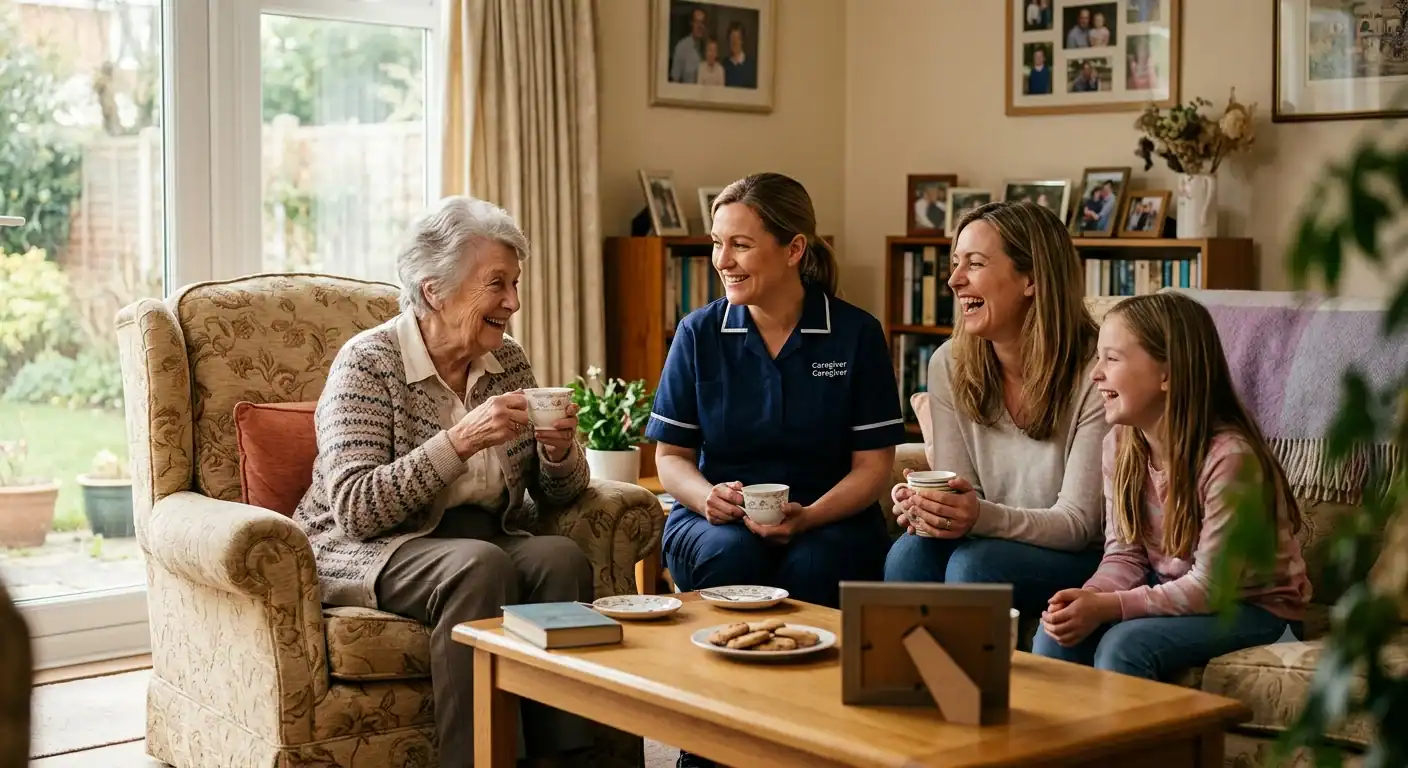
Live-in care can be helpful when short care visits are not enough. A visiting carer may only stay for a short time. A live-in carer is present for much more of the day.
This can help when:
- The person is not safe alone for long periods
- Family carers feel tired
- The person needs help throughout the day
- There is a risk of falls
- The person feels lonely
- Dementia symptoms are increasing
- The person is recovering after hospital
- A couple wants to stay together at home
The biggest benefit is familiarity. The person stays in their own home, sleeps in their own bed, follows their own routine, and remains close to their community.
For many UK families, elder live-in care feels more personal than moving into a care home.
Frequently Asked Questions (FAQs)
1. What Are the Main Things a Live-In Carer Does?
A live-in carer helps with daily tasks such as personal care, meals, medication reminders, and mobility support. They also provide companionship, light housework, and help the person follow a safe daily routine at home.
2. Does a Live-In Carer Provide Overnight Care?
Yes, a live-in carer can help with bedtime routines and occasional support during the night. If someone needs help many times at night, extra overnight care may be required.
3. Is Live-In Care the Same as 24-Hour Care?
Not always. Live-in care usually means one carer stays in the home and supports the person during the day. 24-hour care often involves more than one carer working in shifts for full-day and night support.
4. Can a Live-In Carer Help With Medication?
Yes, a live-in carer can give medication reminders and help the person take medicine on time according to the care plan. Any health concerns should be reported to family members or healthcare professionals.
Final Thoughts
A live-in carer does much more than help with daily tasks. They support safety, comfort, dignity, routine, independence, and emotional wellbeing.
From morning personal care to meals, medication reminders, mobility support, companionship, light housework, overnight care, and complex care at home, their role touches every part of daily life.
The real value of a live-in carer is not only what they do. It is how they do it. A patient morning routine, a warm meal, a safe walk to the bathroom, a clean room, or a calm conversation before bed can change the whole day.
For UK families, live-in care is a good alternative when a loved one needs support on a daily basis but would like to remain at home. It brings comfort, familiarity, and peace of mind and helps the person live with dignity every single day.